
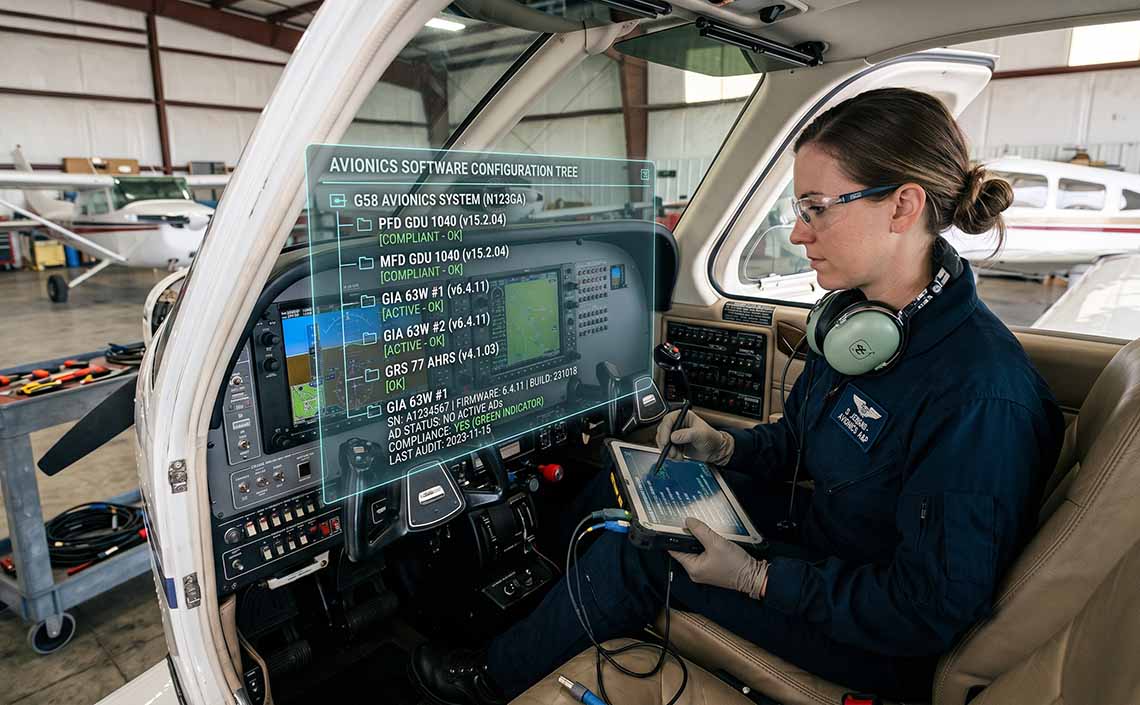
Modern aircraft are no longer just mechanical systems, they are software-defined platforms. A single improper update, missed verification step, or unauthorized action can compromise configuration control, invalidate airworthiness, or introduce latent system risk.
This high-impact training program is built around the FAA’s guidance in AC 43-216A, focusing on the real-world execution of software management during maintenance not just policy, but what technicians actually do on the line and in the shop.
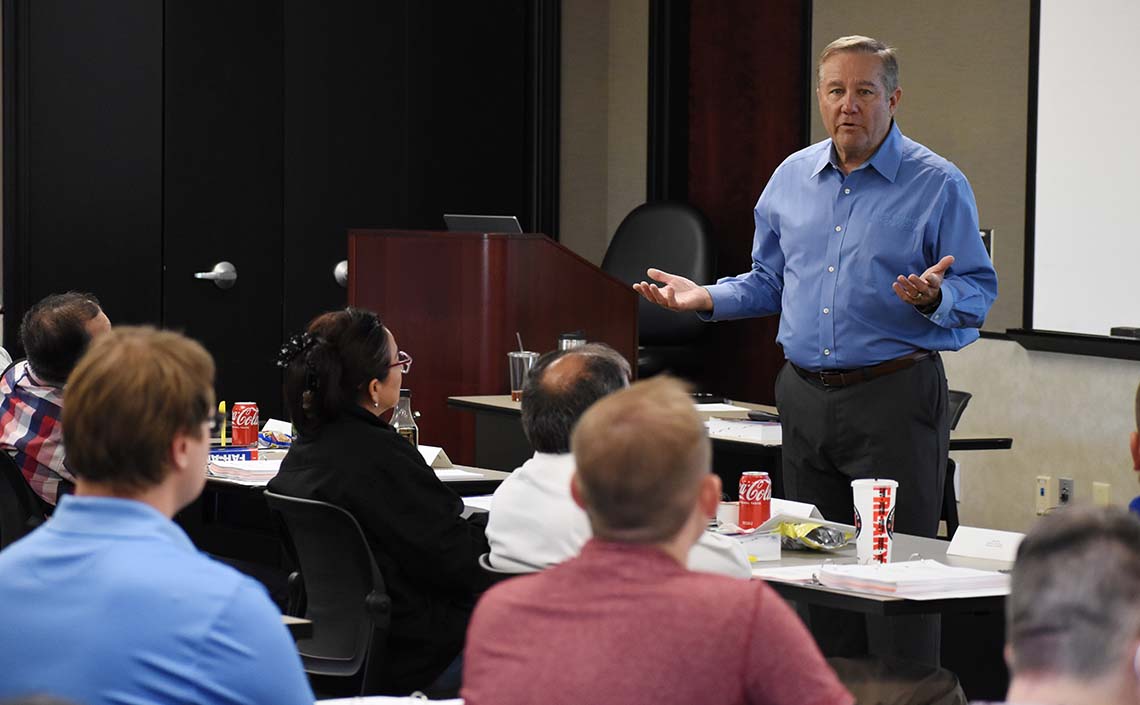
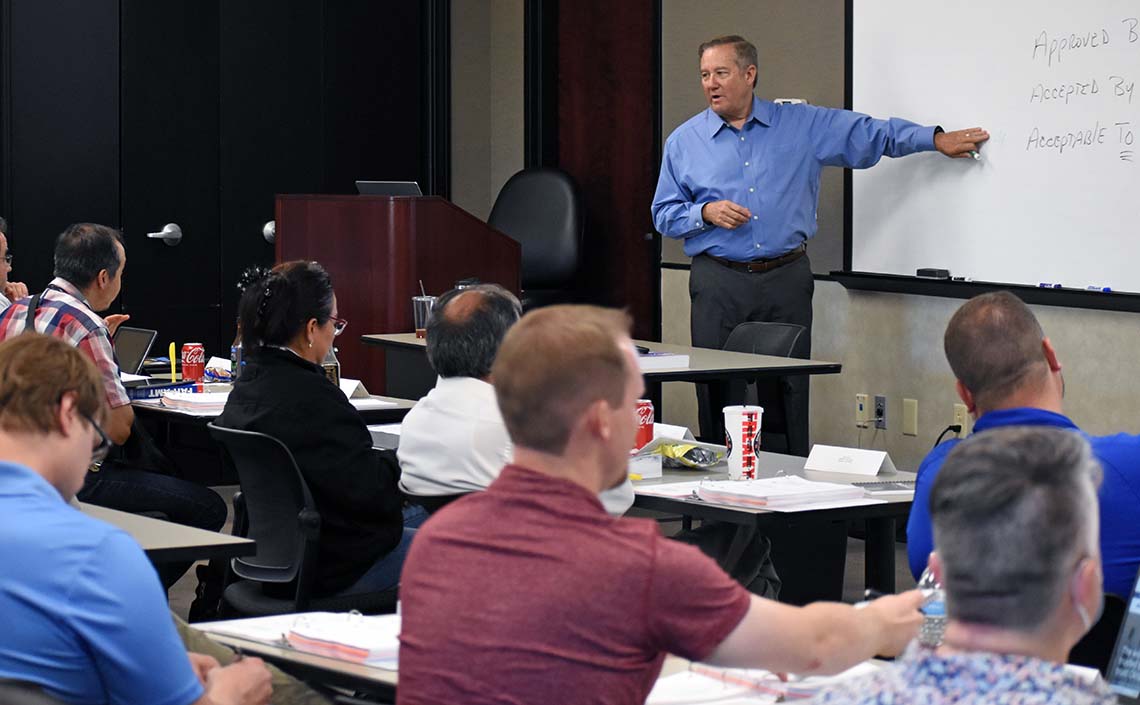
Presented by: Kevin Bruce, AEA
Course Objective: Equip maintenance personnel—from apprentices to experienced technicians—with the knowledge, discipline, and procedural awareness required to:
- Execute software installation and configuration correctly the first time
- Maintain aircraft configuration integrity across the software lifecycle
- Recognize when they are not authorized or qualified to perform software actions
- Prevent improper updates, configuration drift, and undocumented changes
Course Outline
1. “Notes, Cautions, and Warnings” — Not Optional
Technicians will learn that:
- ICA procedures are not guidance—they are requirements
- Deviating from notes/cautions can:
- Corrupt software loads
- Misconfigure LRUs
- Create non-compliant aircraft
- AC 43-216A emphasizes that software loading must follow manufacturer procedures exactly and in all important respects
2. Software Lifecycle Control — From Receiving to Loading
Training walks through the entire lifecycle:
- Receiving (authenticity, integrity verification)
- Storage (controlled media, PED security)
- Transfer (secure, authorized methods only)
- Staging vs loading vs verification
Emphasis: Software is a controlled aircraft part—not just a file. The control can overlap with the EASA Part IS requirements.
3. Configuration Control — The Core of Airworthiness
Participants will learn:
- Every software load changes aircraft configuration
- Verification is mandatory—not assumed
- Preloaded LRUs cannot be assumed correct
- AC 43-216A requirement: All software loading must be followed by configuration verification
4. Baselining Before Change — “Know Your Aircraft Before You Touch It”
A major focus of this program:
Baselining a line aircraft prior to software updates
- Confirm current configuration
- Validate compatibility of updates
- Identify mixed configurations across fleet
This directly supports:
- Service Bulletin compliance
- Avoiding unintended system interactions
- Maintaining continued airworthiness
5. Authorized Personnel Only — A Critical Safety Barrier
Not everyone should be performing software updates
Training reinforces:
- Only authorized and trained personnel may load software
- Unauthorized actions introduce:
- Configuration errors
- Security vulnerabilities
- Regulatory non-compliance
- AC explicitly states: Software loading must be performed by authorized and trained personnel only
6. Documentation & Recordkeeping — Software = Aircraft Part
Participants will learn:
- Software changes require maintenance record entries
- Entries must reference:
- AMM
- Service Bulletin
- Source documentatio
- 14 CFR §43.9 and operational recordkeeping requirements
Please note the following important items:
- Plan to connect 10-15 minutes early so we can start on time.
- Attendees are required to connect with a web camera and audio.
Christopher K.
5
From my specific perspective as a seasoned FAA airworthiness/avionics ASI inspector who works in the AFS-300 Aircraft Maintenance Division (policy & HQ), my recommendation to management is that this class - while more geared to industry folks and avionics techs - would still be beneficial to field inspectors within GA (think FSDO's) or even Air Carrier (think 121 operator Certificate Management Offices). Very foundational but also good review and might be good for ASI's to look for processes when conducting oversight of maintenance programs or even events/occurences.
Other Upcoming Courses
Avionics Installation for Experimental Aircraft
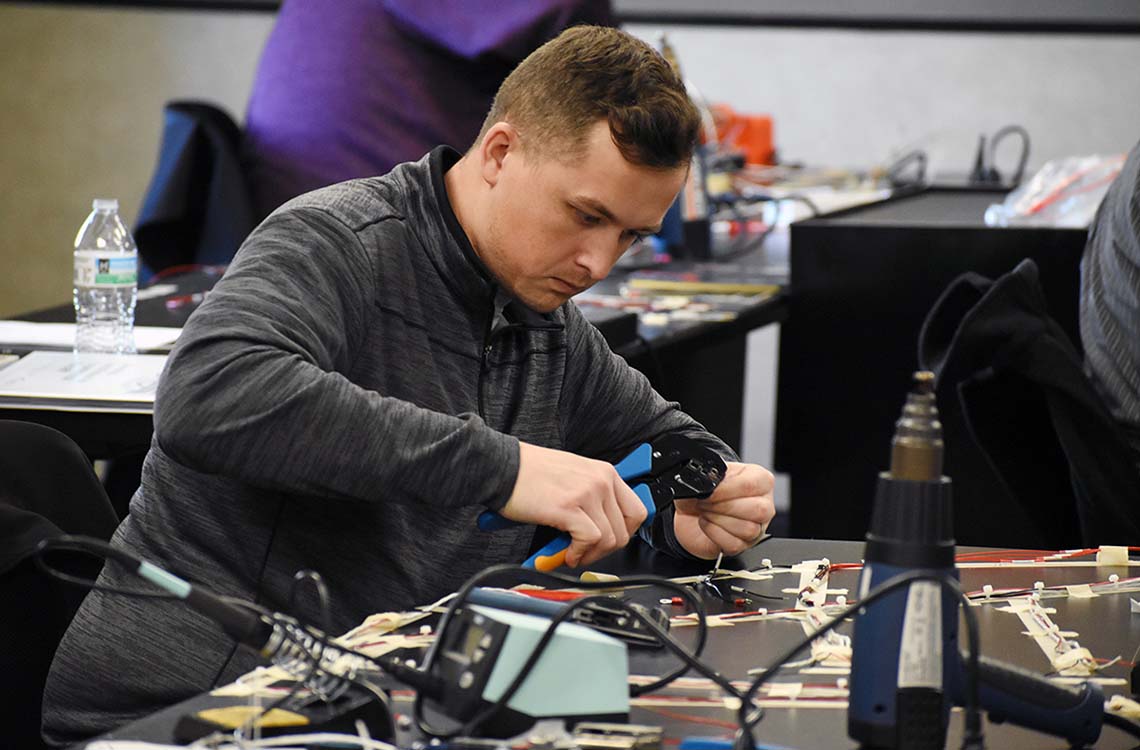
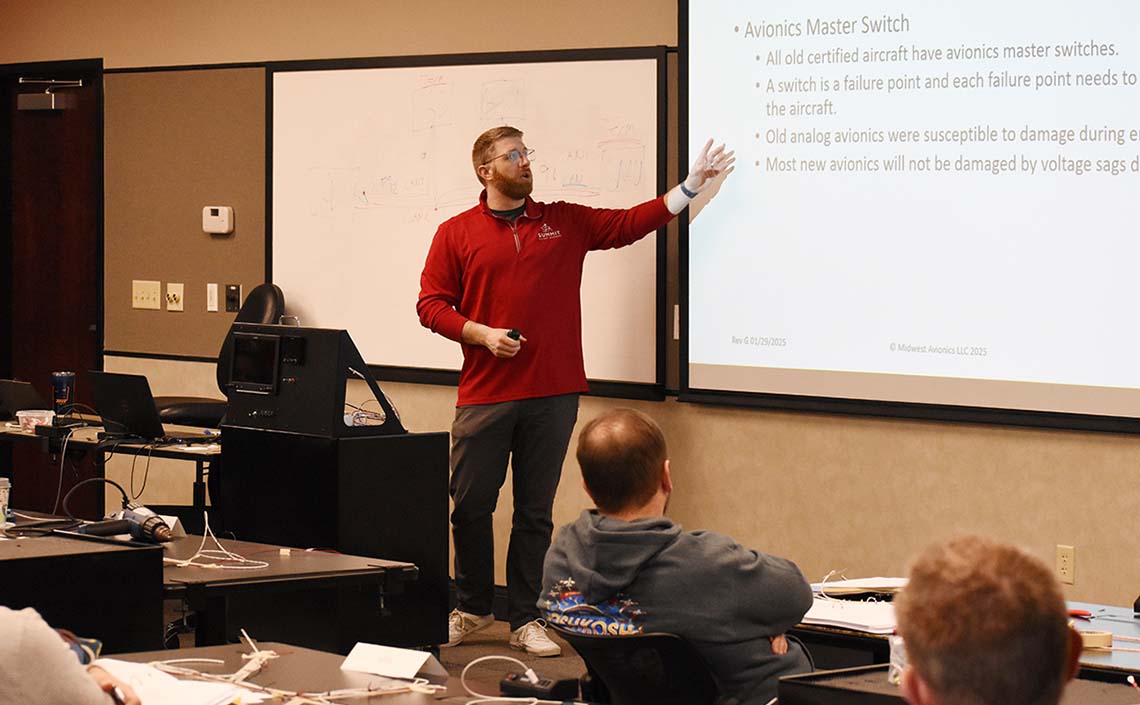
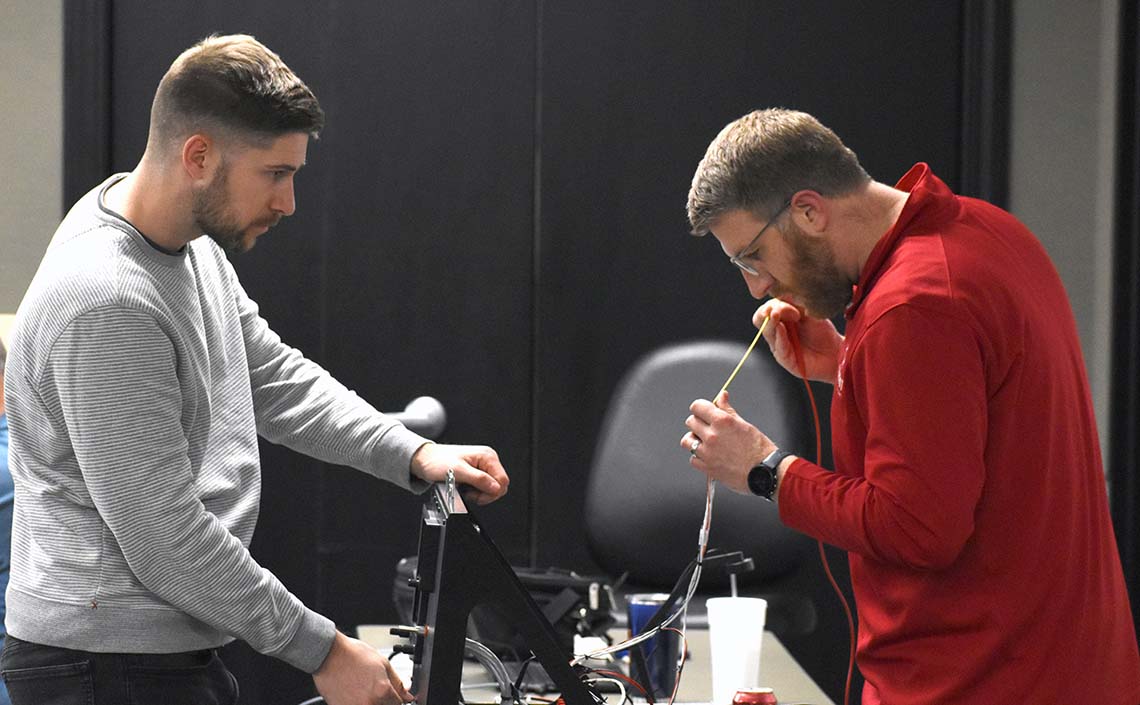
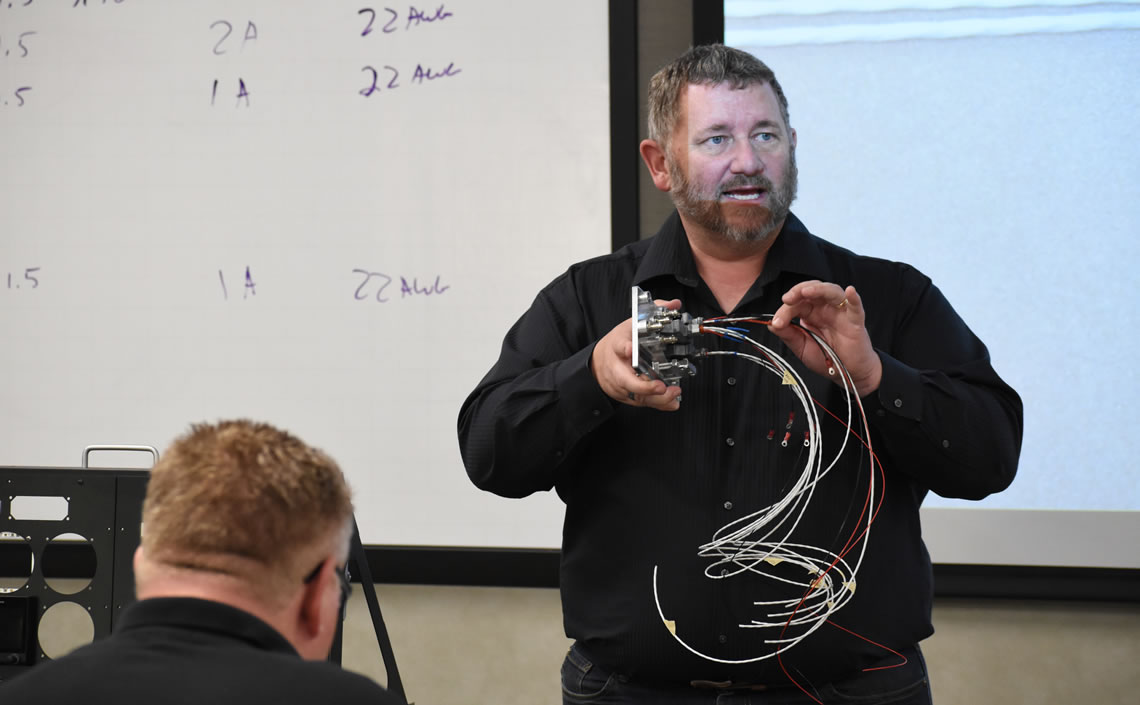
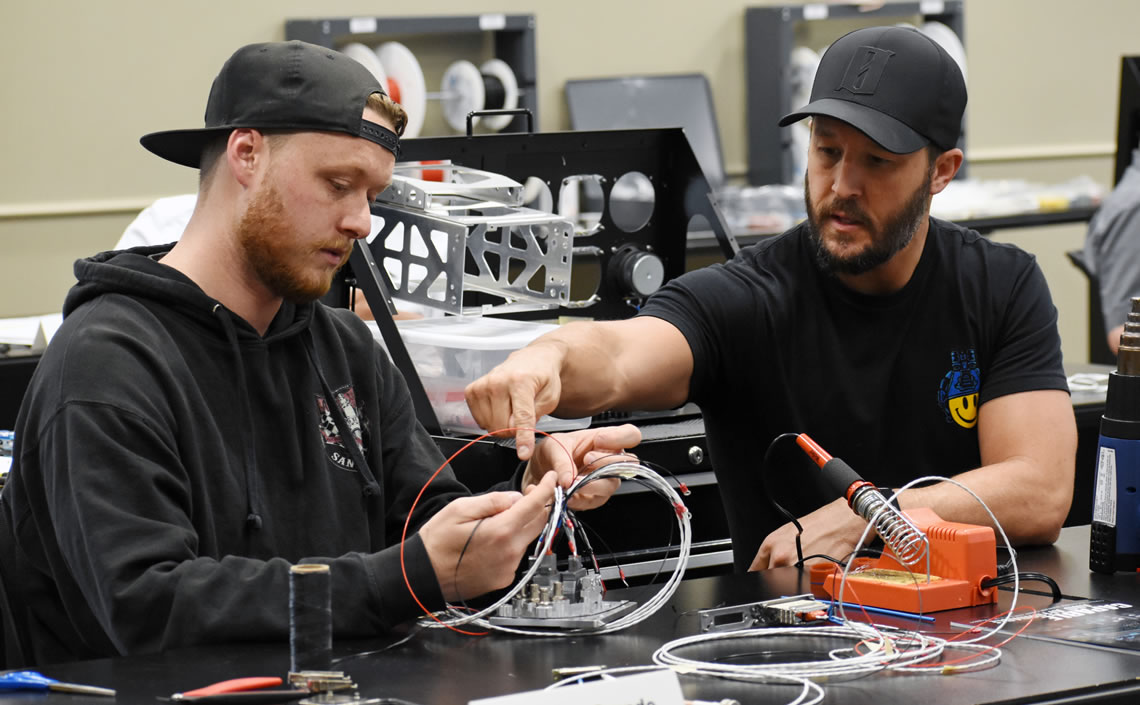
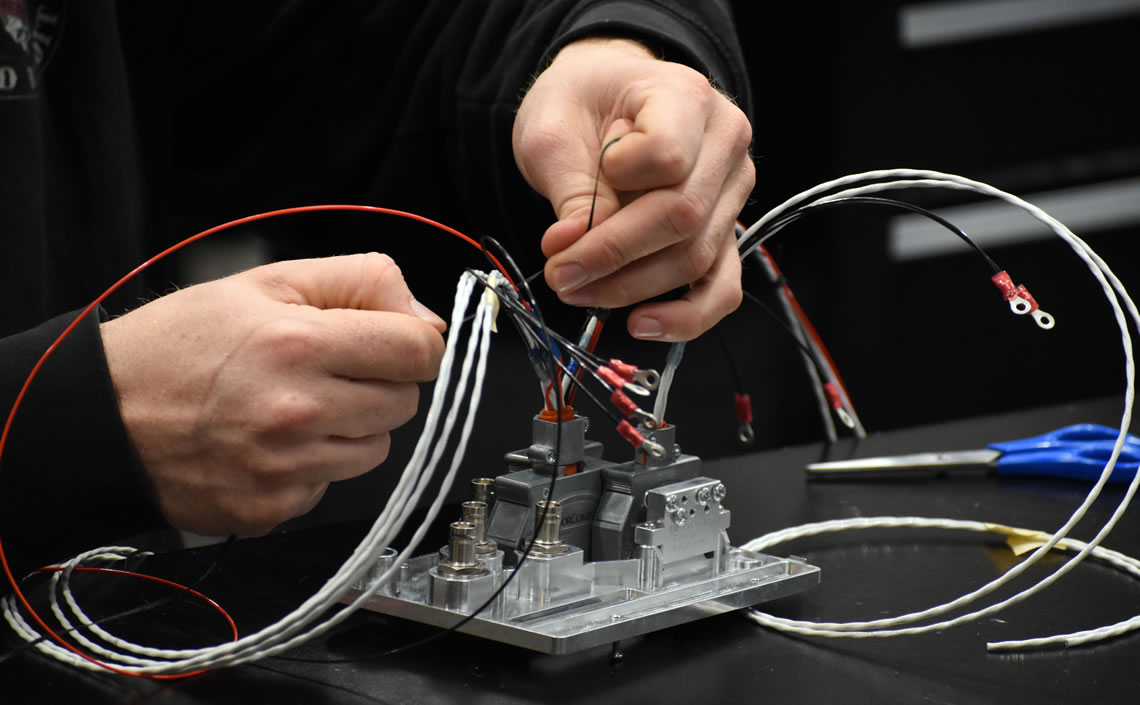
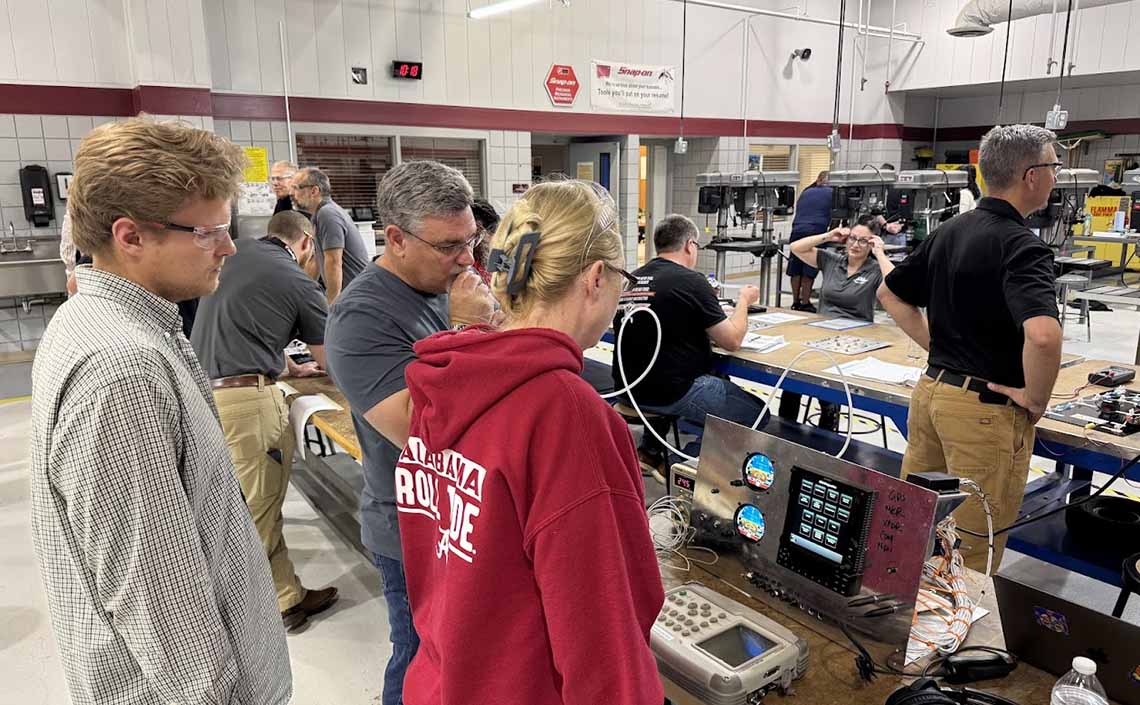
This course is targeted for the homebuilder or avionics technician who wants to learn about performing an avionics installation in an experimental aircraft. The class focuses on the Garmin G3X Touch and AXIS flight display systems. A simplified example harness is constructed as part of the hands-on portion of the class. While the AXIS flight display system is the primary focus, the wiring principles and general guidance can be applied to any experimental avionics system. From the do-it-yourselfer to the avionics shop looking to carve out a niche, this class has something for everyone.
Basic Wiring & Avionics Installation
The Basic Wiring & Avionics Installation course is designed for certificated repairmen, new avionics technicians, aviation maintenance technicians and recent graduates interested in improving or acquiring the skills necessary to perform avionics installations. This three-day seminar employs in-depth theory and hands-on individual lab exercises to immerse the attendee in the best practices used to plan, manage, and install a general aviation avionics panel. The individual installation lab includes: Garmin GTN 650Xi, Dynon SkyView HDX, Dynon D30, PS Engineering PMA8000BT Audio Panel and Mid-Continent Instruments and Avionics CHRONOS Digital Clock/MAX Power USB Charger
FAA Accepted 8 Hours - Course # C-IND-IM-260205-K-022-007
Basic Pitot-Static & Transponder Theory, Testing & Troubleshooting
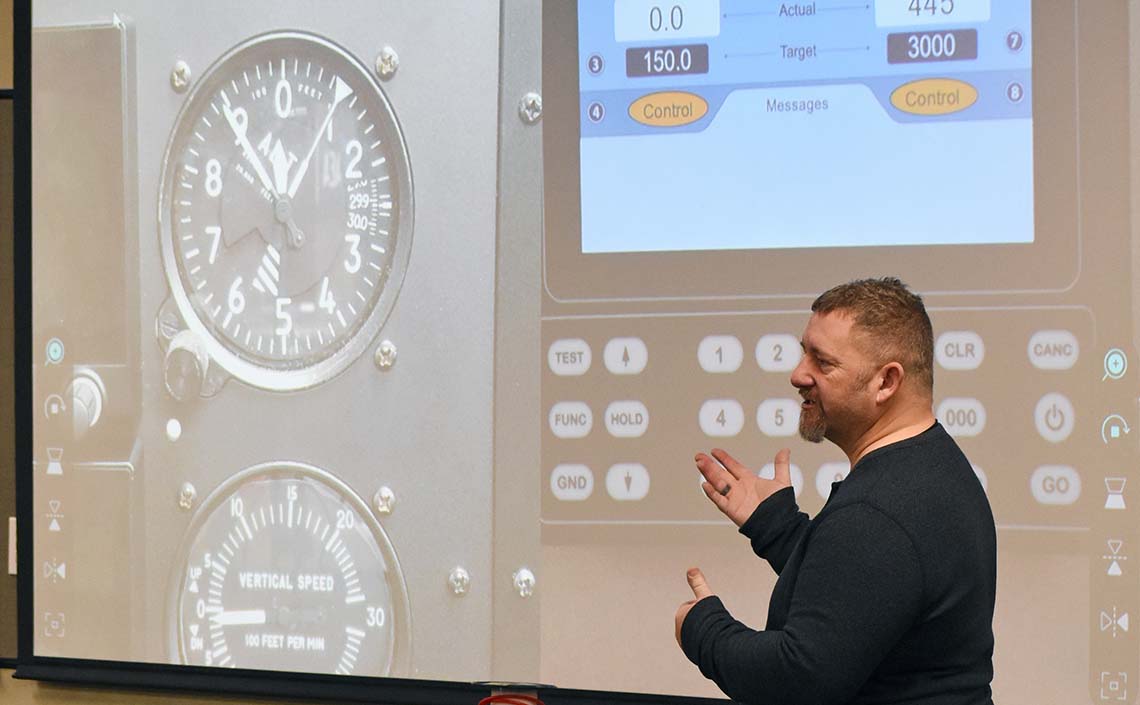
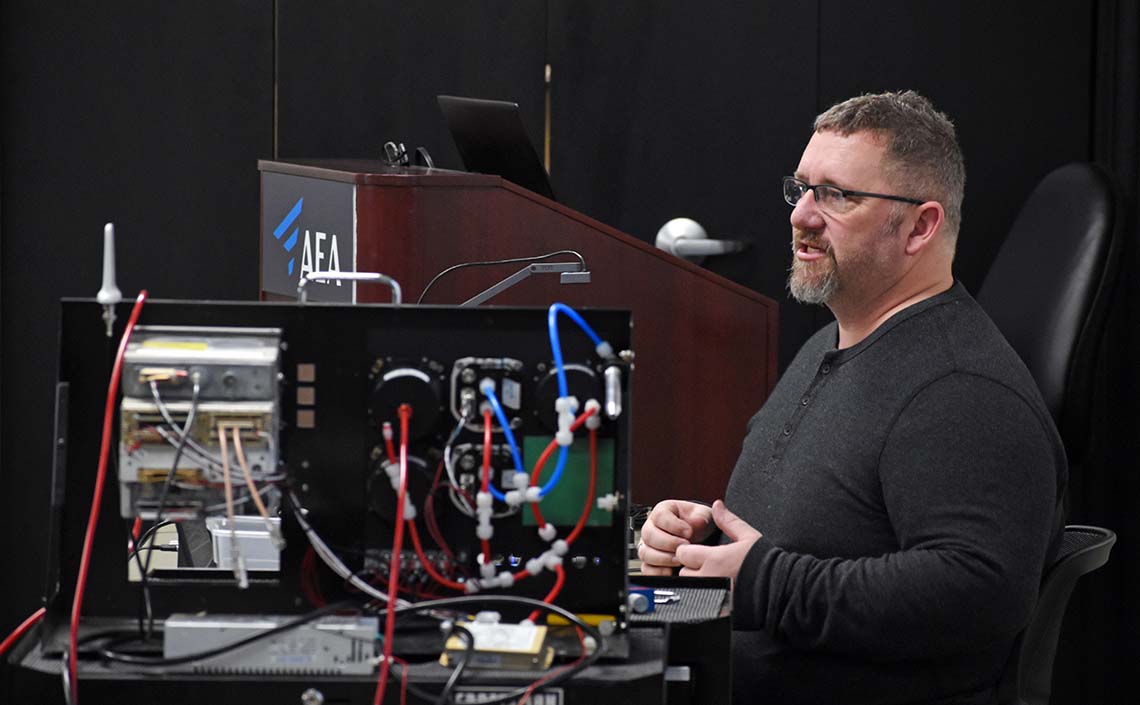
The Basic Pitot-Static & Transponder course is designed for entry-level avionics technicians or those looking for basic training on pitot-static & aircraft transponder systems. This two-day course covers the history and theory of operation of pitot-static instruments and transponders, as well as system set-up, hands-on testing, and the troubleshooting skills necessary to perform FAR 91.411 and 91.413 checks.
FAA Accepted 8 Hours - Course # C-IND-IM-240718-K-022-0011

Certified Aircraft Electronics Technician (CAET) Prep Course
VIRTUAL-LIVE COURSE
This official preparation course for the AEA Certified Aircraft Electronics Technician (CAET) exam is ideal for technicians seeking to learn and/or validate their foundational knowledge of avionics. Students will gain the foundational knowledge required for entry-level avionics roles – including core electrical concepts, wiring procedures, digital avionics, instruments, and key avionics systems – to ensure they walk into the exam and shop with confidence.
ADS-B Configuration, Testing & Troubleshooting
VIRTUAL-LIVE COURSE
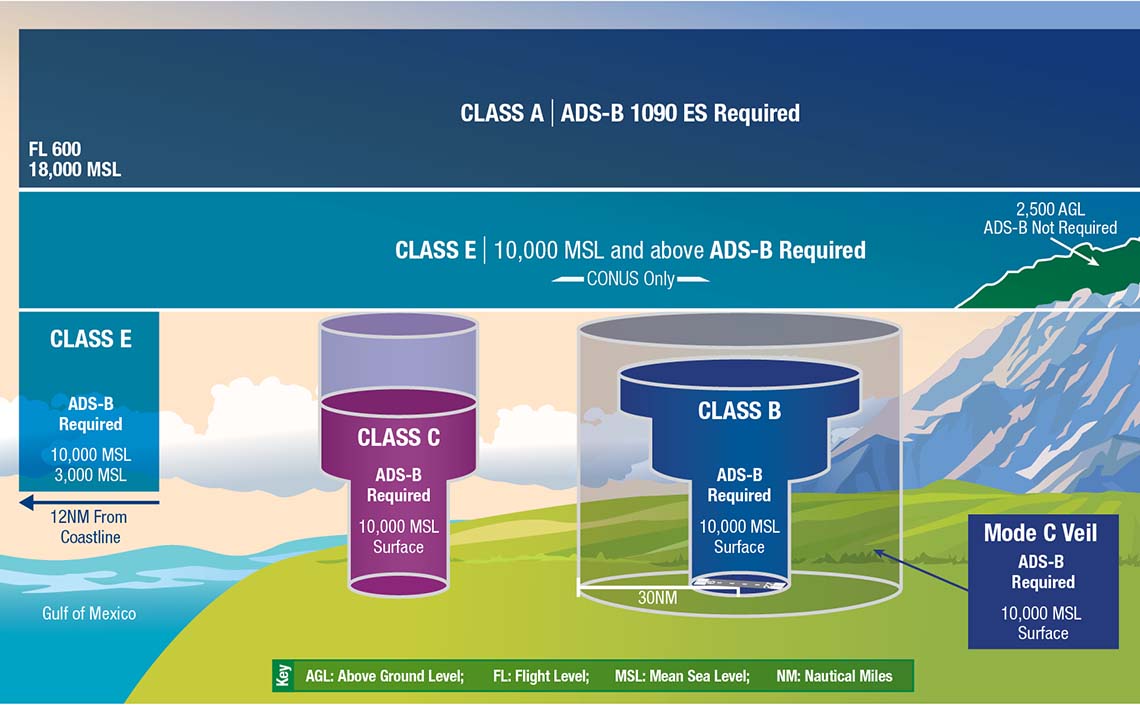
This course is designed for currently employed repair station personnel and installers and maintainers of ADS-B systems. A small percentage of general aviation ADS-B installations are non-compliant based on the FAA’s ADS-B Performance Monitoring System. This course focuses on the proper configuration and testing of ADS-B installations to ensure your installation meets the performance requirements and regulations. Also included are troubleshooting tips and tricks that will help you resolve the common problems found in ADS-B installations.
Safety Management System Coordinator Training
VIRTUAL-LIVE COURSE
Risk management is a vital element of any successful business. Whether driven by best practices or responding to a regulatory requirement, the AEA has your solution. Leveraged by the 900-strong repair station membership, the AEA developed a proprietary SMS program designed specifically for maintenance organizations. This program is currently used on every continent. The AEA has been coordinating with the Federal Aviation Administration and Transport Canada Civil Aviation, as well as discussions with the Australian government's Civil Aviation Safety Authority and the European Union Aviation Safety Agency, for future acceptance.
Certified Repair Station Training
This weeklong course provides an interactive environment to learn, understand and implement the regulations that govern repair station design and operations.
FAA Accepted 8 Hours - Course # C-IND-IM-180621-K-010-001
CAET Train-the-Trainer
Learn to teach avionics to industry’s standards
The CAET Train-the-Trainer course is a two-day, hands-on class that prepares aviation maintenance educators to bring Certified Aircraft Electronics Technician (CAET) content into their classrooms. You'll spend 16 hours learning directly from industry how to incorporate hands-on avionics training into your own program.
Who it's for:
This course is limited to instructors at Part 147 aviation maintenance schools, aviation high schools, and technical colleges who want to add avionics to their program or sharpen the avionics instruction they already deliver.
Advanced Avionics Installation & Configuration
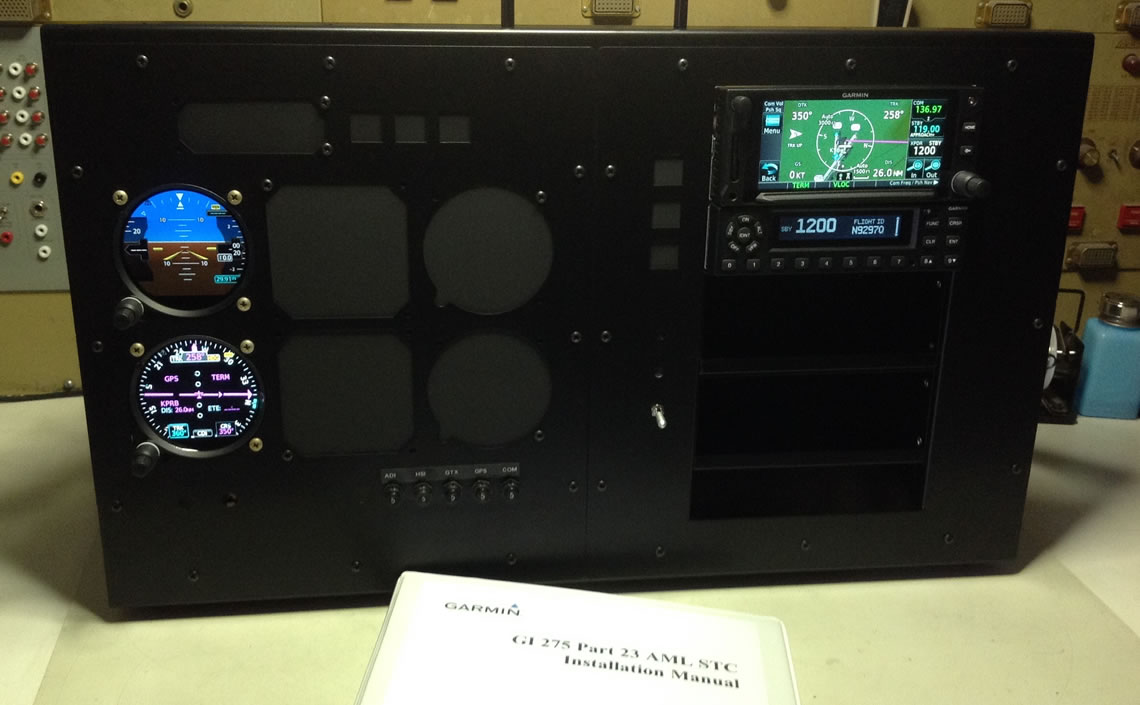
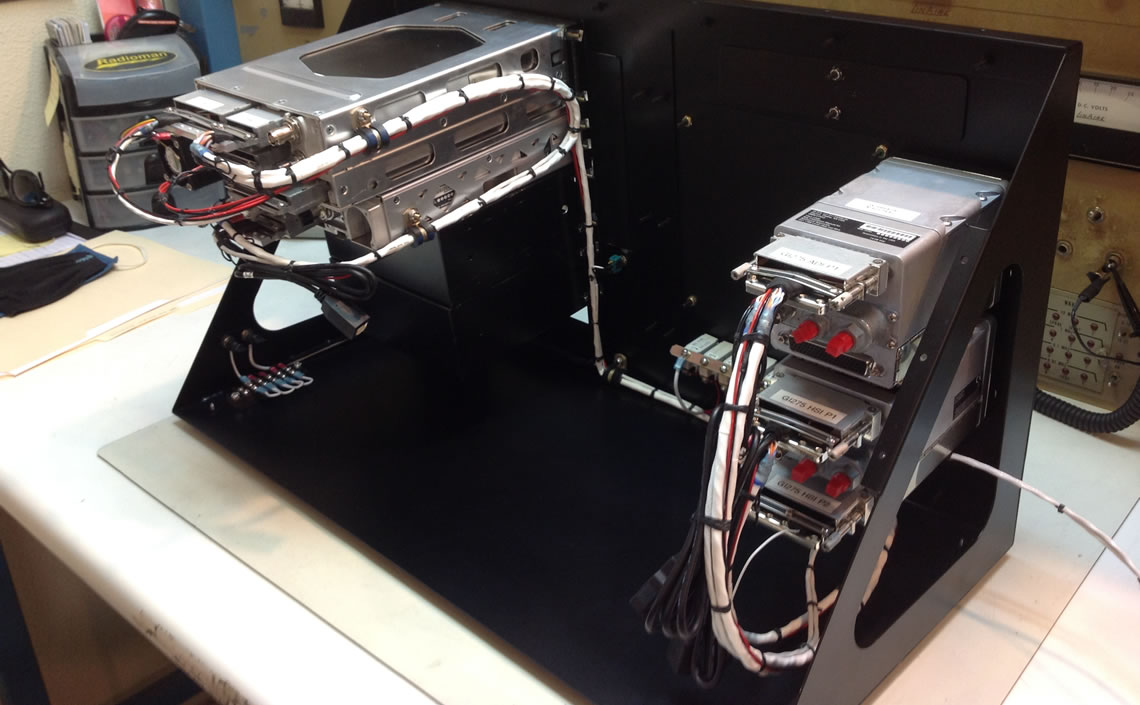
Technicians will learn how to plan, install, interface, configure and check out an installation of a primary flight display, EHSI and GPS/Nav/Com consisting of dual Garmin GI 275, a Garmin GTN 650 touch screen, and a Garmin GTX 345 transponder. Designed for technicians who have experience with avionics installation practices and are looking for more training integrating common general aviation installations.
FAA Accepted 8 Hours - Course # C-IND-IM-240801-K-022-0006
AVX-10K Operations Training
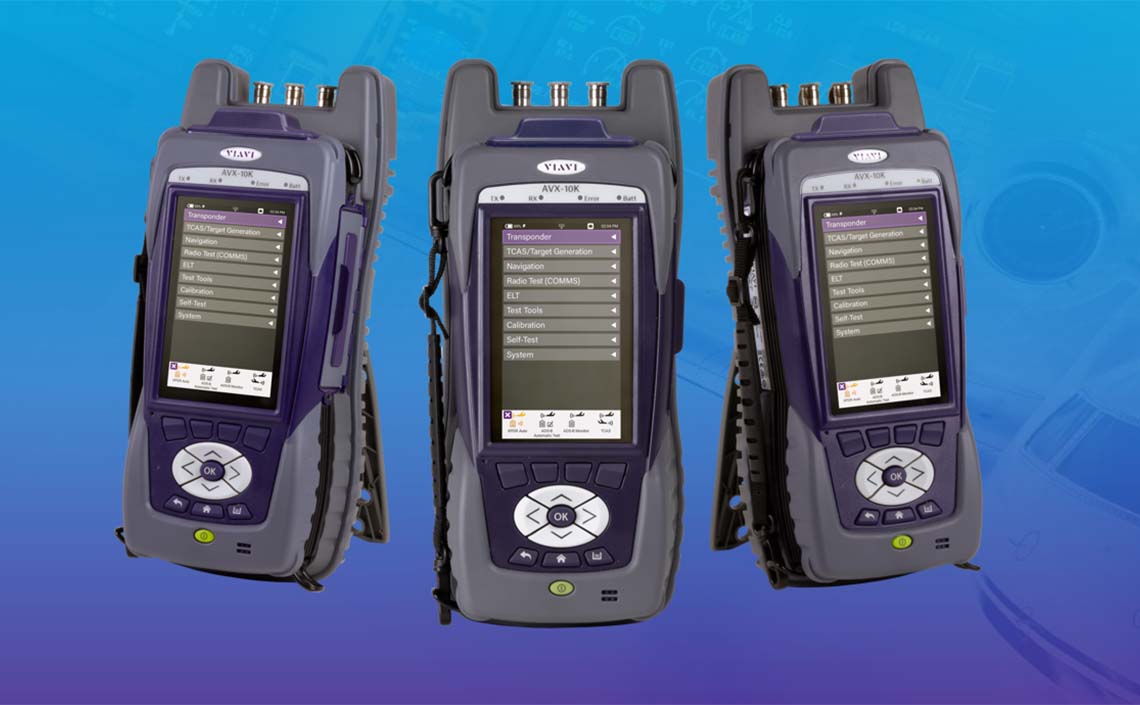
This course is designed to provide maintenance personnel with the knowledge and skills required to operate and configure AVX-10K to verify and maintain transponder, UAT, TCAS, DME, ILS, VOR, Comms and ELT. Plus a complete review all features and benefits of the AVX-10K Flight Line Test Set with emphasis on testing transponder (Mode S and ADS-B In/Out), UAT, TCAS and DME.
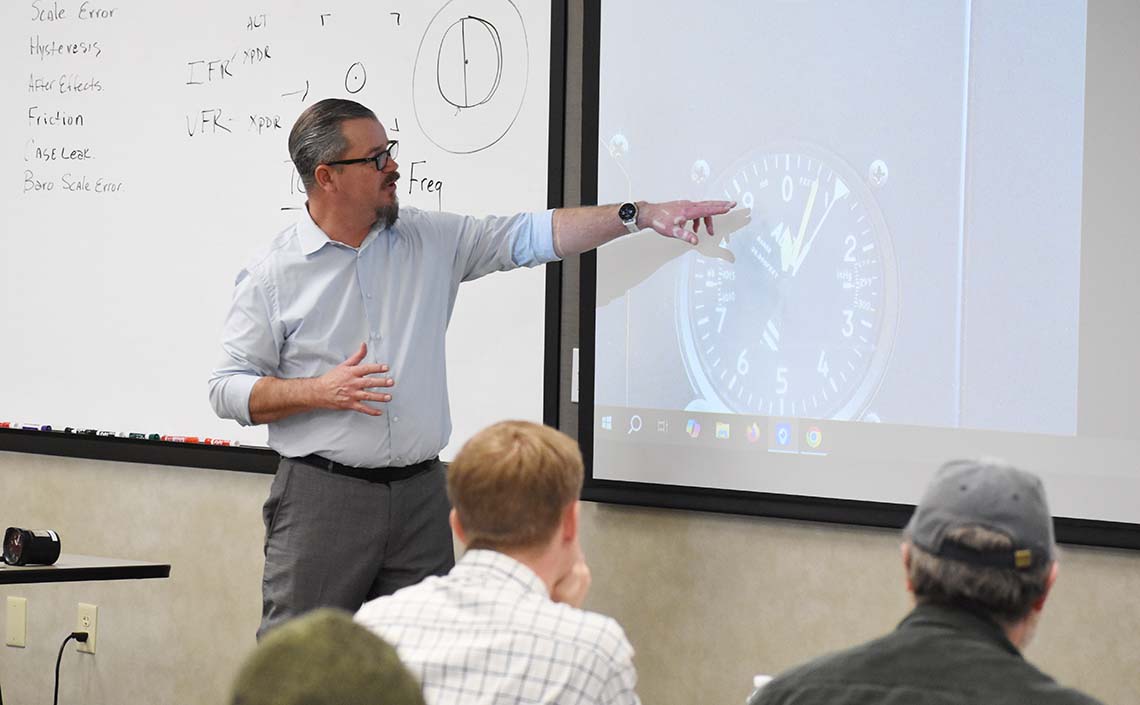
Pitot-Static, Transponder, RVSM, and ADS-B: Testing & Inspection
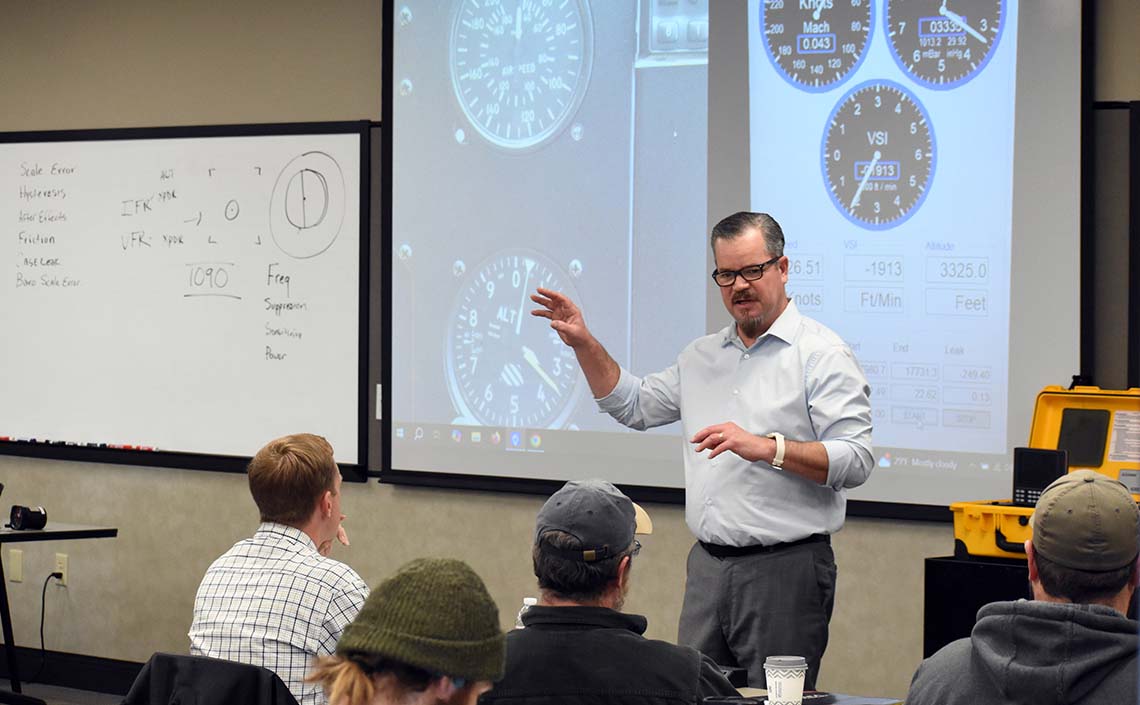
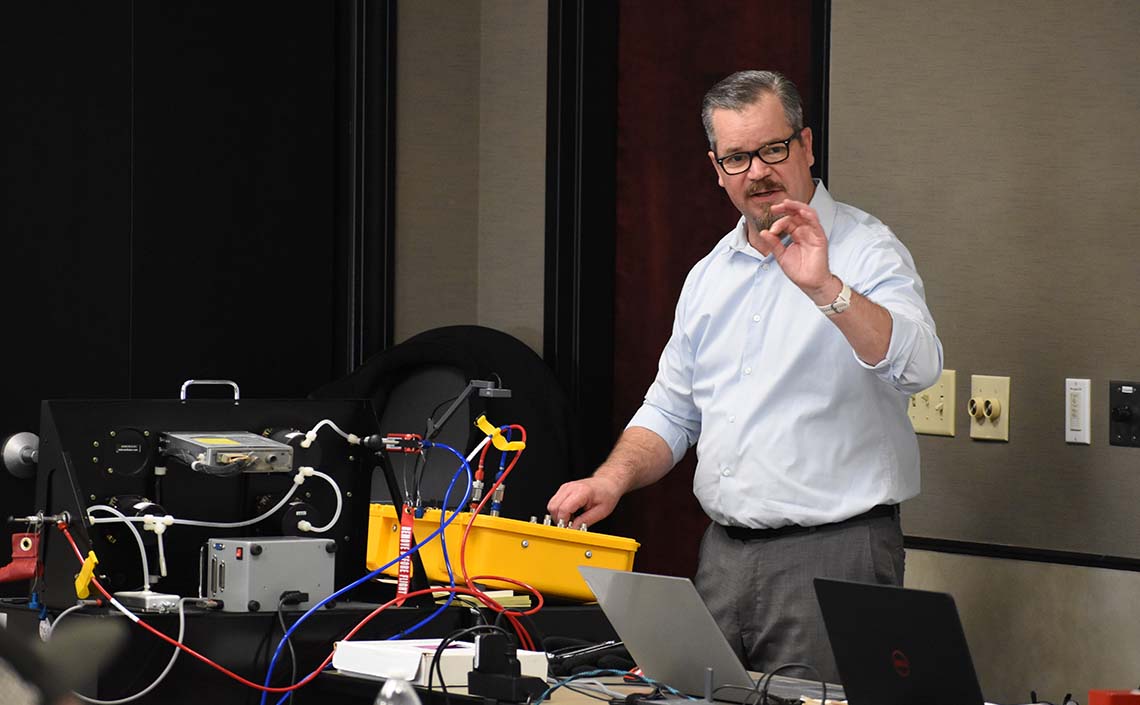
Attendees will learn the proper methods for conducting pitot-static and transponder tests and inspections. This two-day course offers a regulatory review and an explanation of the proper administrative procedures for completing these critical certifications. Preparing and performing RVSM inspection tasks. ADS-B session covering installation, wiring and return to service review.
FAA Accepted 8 Hours - Course # C-IND-IM-260612-K-022-001